Book a session
The Barcelona Market

A city worth understanding
before you commit.

Barcelona has distinct micro-markets, each with its own price dynamics, planning constraints and renovation considerations. Here is what buyers need to know.

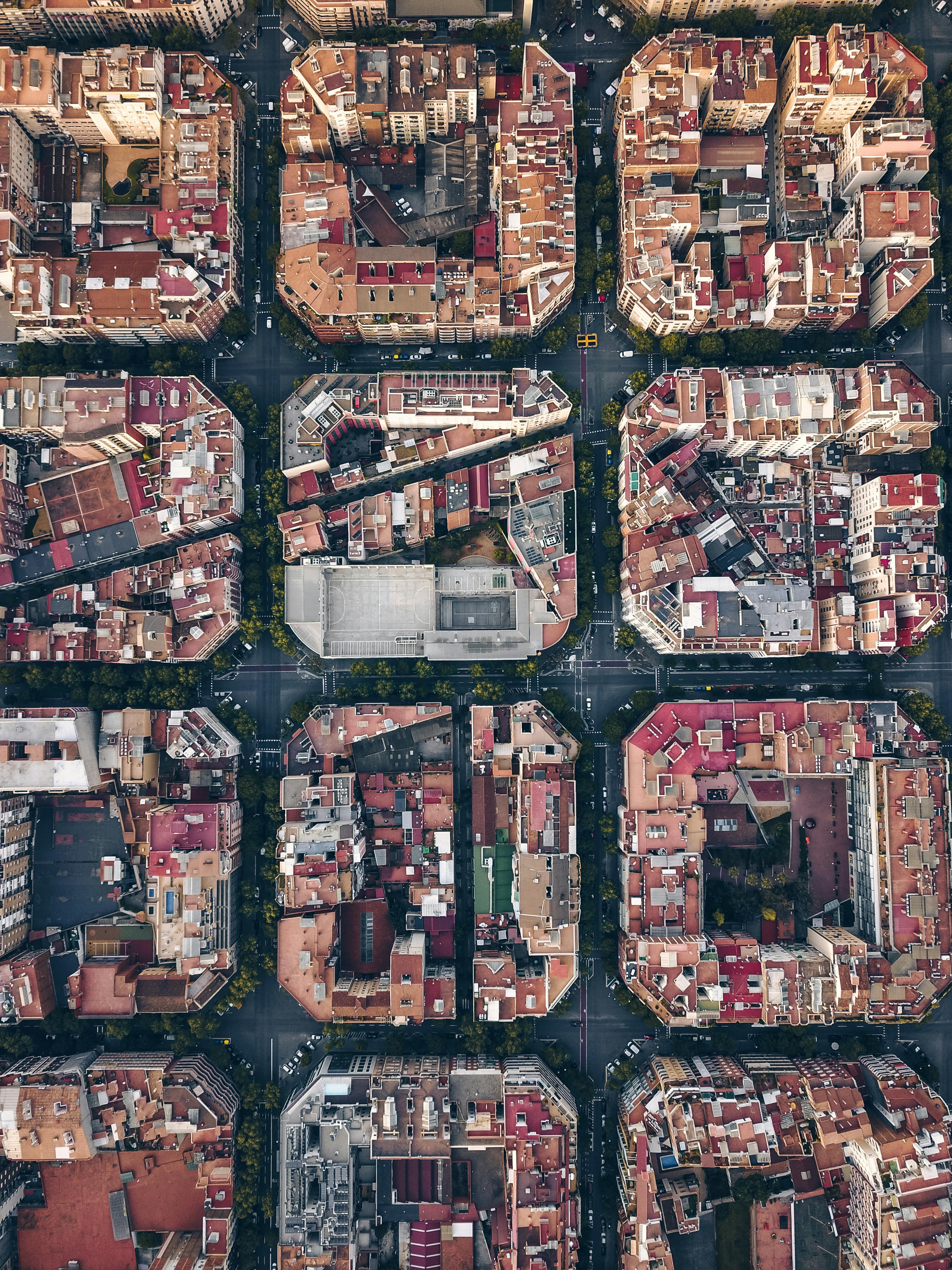
Barcelona Eixample grid from above

One of Europe's most
compelling property markets.

Barcelona sits at an unusual intersection. It is one of the most liveable cities in Europe, with a climate, a culture and an urban quality that few cities can match, and it is still accessible by the standards of comparable European capitals. Prices in prime Barcelona remain significantly below equivalent neighbourhoods in Paris, London or Amsterdam.

That combination attracts a consistent stream of international buyers, and demand shows no sign of softening. Supply, meanwhile, is structurally constrained. Barcelona is a physically bounded city with almost no land available for development at scale, and its planning framework limits significant densification in established residential areas.

The result is a market that rewards buyers who understand it and is costly for those who do not. Getting the market knowledge right before you begin your search is not optional. It is the difference between a successful acquisition and an expensive lesson.

Book an Advisory Session
Where does Barcelona sit
in the European market?

Prime Barcelona residential property trades at approximately €4,500 to €7,500 per m² in well-located neighbourhoods, with the very best stock on key streets reaching above that range. Comparable prime addresses in Paris typically trade at €10,000 to €16,000 per m², in London at €9,000 to €15,000 per m², and in Amsterdam at €6,000 to €10,000 per m². For buyers calibrated to those markets, Barcelona continues to offer meaningful relative value, particularly given its quality of life, climate and connectivity.

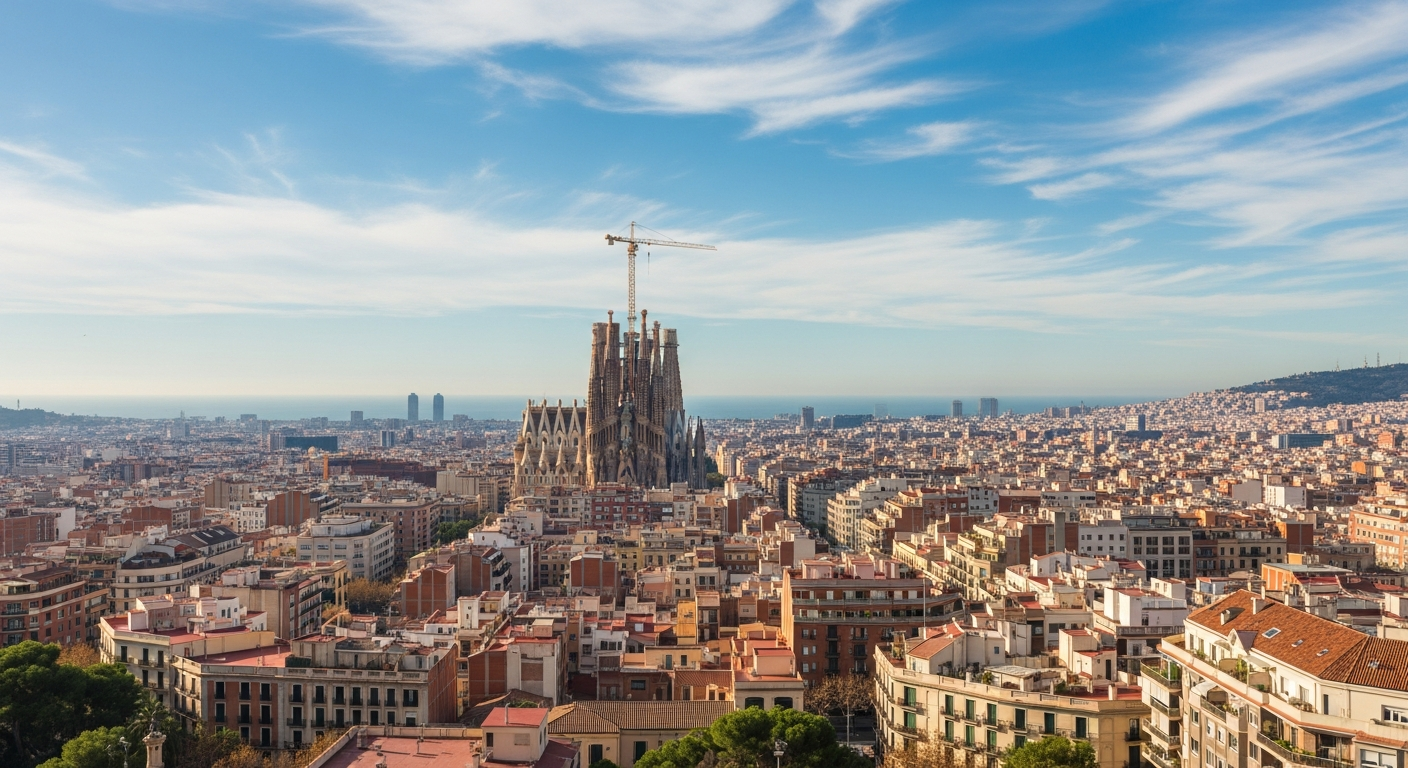
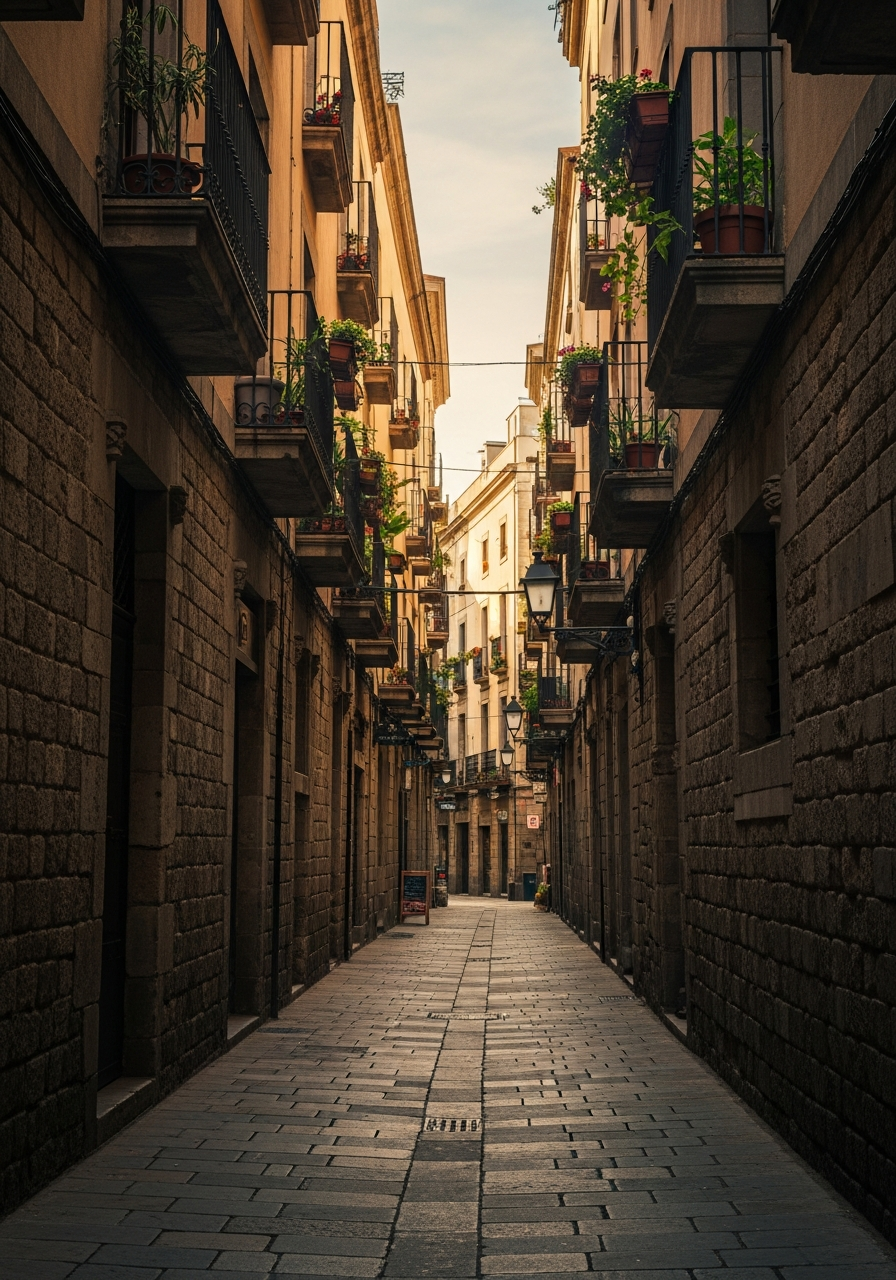
Gothic Quarter Barcelona buildings Barcelona skyline
Key areas

The districts that matter
to buyers.

Barcelona's residential market divides into distinct areas, each with different character, price levels and buyer profiles. Understanding the differences before you begin your search saves significant time and prevents costly mismatch.

01

Eixample

The 19th-century grid district of wide boulevards and high-ceilinged apartments. The most liquid market in the city. Dreta commands premium prices; Esquerra offers more value. Generally the most predictable market for buyers seeking quality stock and manageable renovation complexity.

02

Gothic Quarter and El Born

Medieval Barcelona at its most atmospheric. Character stock with original stone and timber detail. Planning is more restrictive and renovation more complex, but properties here are irreplaceable. Best suited to buyers who value authenticity and are prepared to accept higher execution risk.

03

Sant Gervasi and Zona Alta

The residential districts above the Diagonal. More space, more green, lower density. Popular with families and buyers seeking larger footprints. Prices are competitive and the quality of life argument is strong, though the city-centre buzz is less immediately present.

04

Barceloneta and Poble Nou

The coastal districts. Barceloneta is dense and characterful but heavily regulated on tourist lets. Poble Nou is Barcelona's former industrial zone, now one of the city's most interesting emerging areas with a strong creative and residential community developing around it.

05

Gràcia

The village within the city. Tight streets, strong community identity, and a mix of traditional Catalan houses and apartment buildings. Popular with buyers who want a more intimate neighbourhood feel. Prices sit between the Eixample and the Old City.

06

Sarrià and Pedralbes

The quieter, residential upper reaches of the city. Larger properties, more garden space, a slower pace. Appeals to buyers relocating with families or those seeking a full-time residence with space and privacy. Further from the centre but well connected.

Three structural forces
that shape the outlook.

Constrained supply. Barcelona cannot grow outward and its planning framework limits densification within established areas. New quality residential supply is minimal, and what is built is absorbed quickly. Owners of good stock in good locations are not under pressure to sell.

International demand. Barcelona draws buyers from the UK, Germany, the US, the Netherlands and Scandinavia consistently. The quality of life case, resting on climate, culture, food and connectivity, is not weakening. As more buyers work remotely or split their time, the pool of potential buyers for premium Barcelona stock is expanding.

Regulatory complexity. Tourist apartment licensing changes, planning restrictions on renovations, and the mechanics of the Catalan buying process all add layers of complexity that affect value. Understanding these factors, and knowing which properties are affected and which are not, is essential to sound acquisition decisions.

Read our market insights
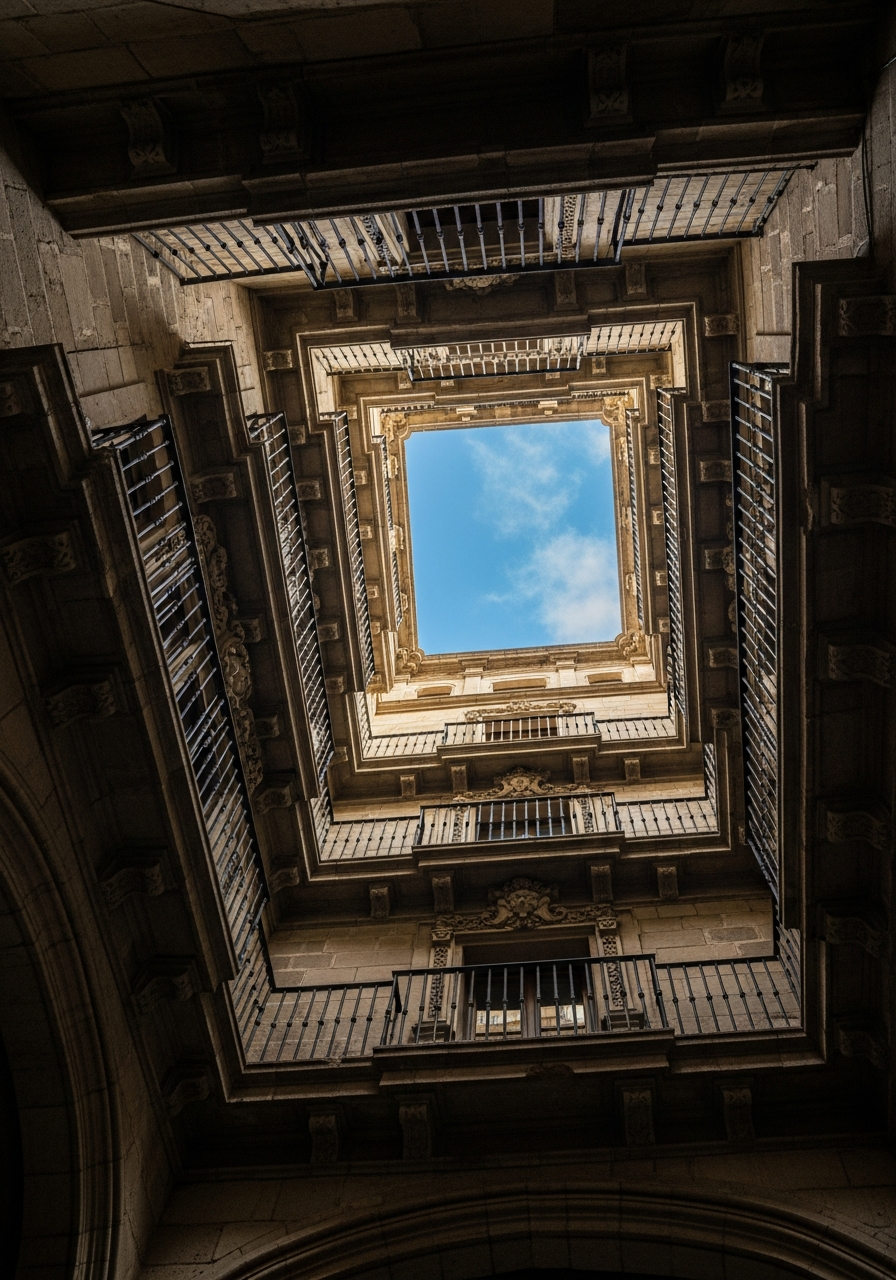
Barcelona architecture
Get in touch

Ready to understand the market properly?

An Advisory Session gives you a thorough, honest briefing on where the market stands, how it works and how to approach your search from a position of knowledge.

Book an Advisory Session