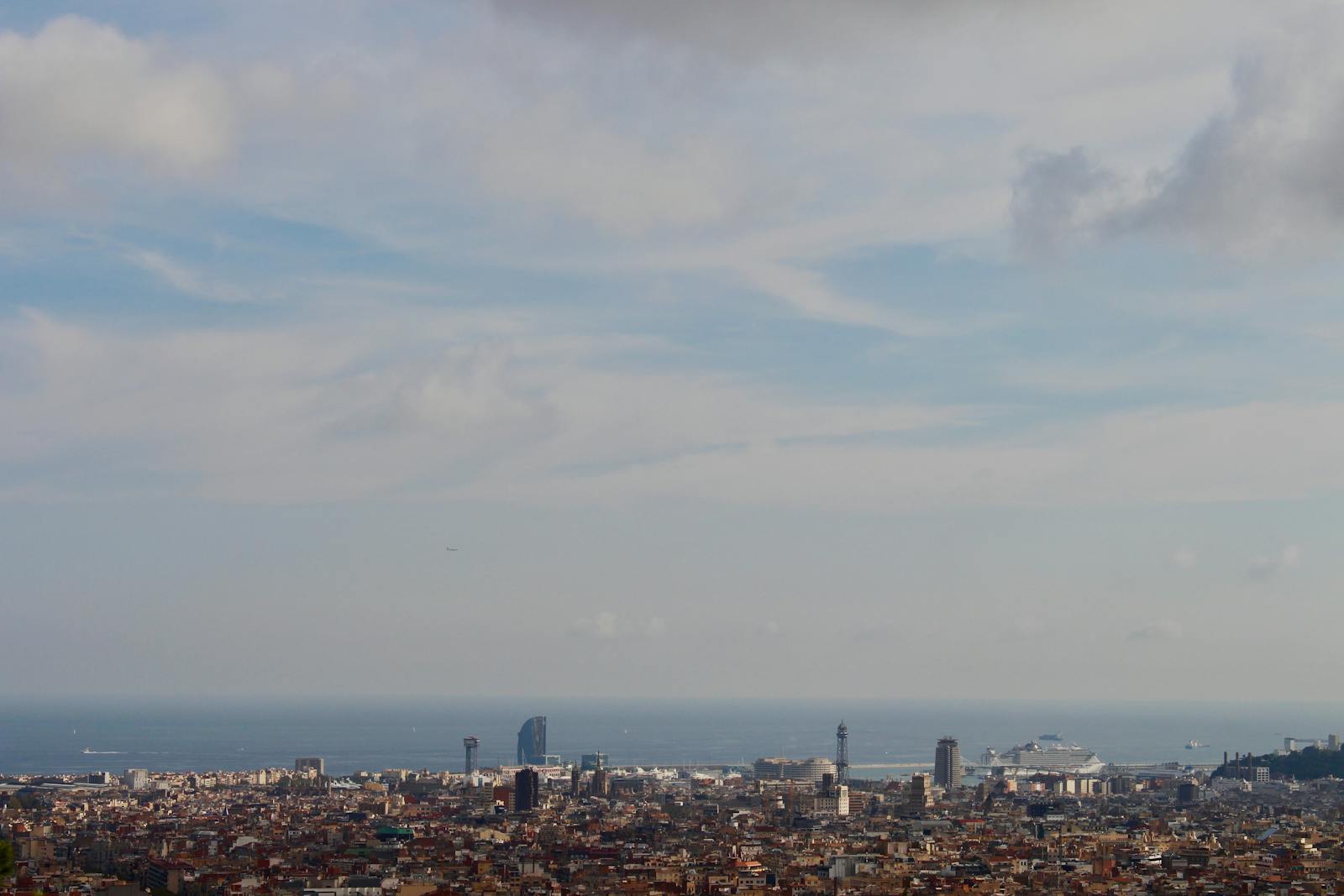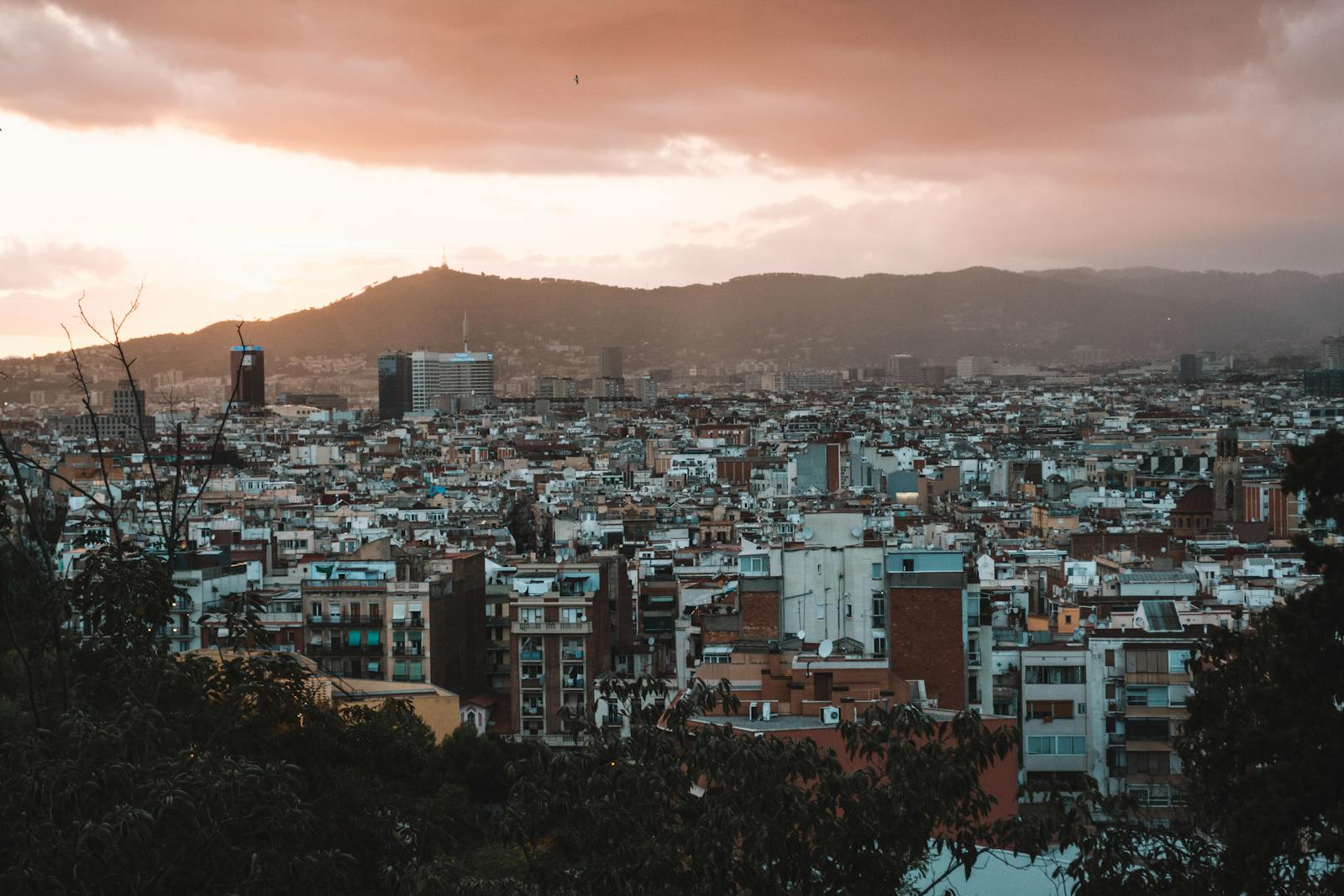
When international buyers describe what they are looking for in Barcelona, the answer often resolves itself into one of two very different visions. The first is the Eixample: the 19th-century grid district of wide boulevards, chamfered corners and high ceilinged bourgeois apartments. The second is the Old City: the Gothic Quarter, El Born and the labyrinthine streets of medieval Barcelona. Both are deeply desirable. They are also profoundly different, and understanding those differences before you begin your search will save you a significant amount of time and help you avoid making an offer on a property that does not suit what you are actually trying to achieve.
The Eixample
Designed by Ildefons Cerdà in the 1850s and built out largely between 1870 and 1930, the Eixample is the residential backbone of modern Barcelona. Its regular grid, generous building footprints and wide streets produce apartments that are typically larger, lighter and more consistently proportioned than those in the Old City. The typical Eixample apartment is found on the first to fifth floor of a masia or modernista building, with high ceilings, large windows to the street or interior courtyard, and layouts that respond well to contemporary renovation.
Prices in the Eixample vary considerably depending on sub-district and orientation. The Esquerra (left) and Dreta (right) are meaningfully different in character and price, and certain streets, particularly those on the Diagonal or in the immediate vicinity of Passeig de Gràcia, carry significant premiums. As a broad reference, quality Eixample apartments in good condition trade in the range of €6,000 to €10,000 per m², with prime properties or those with exceptional renovation quality reaching higher.
From a renovation standpoint, the Eixample is generally more tractable than the Old City. Planning constraints are still present but the heritage overlay is less pervasive, structural conditions are more predictable, and site access is considerably easier. For buyers looking to renovate and create a well-finished contemporary home, the Eixample offers better execution certainty.
The Old City
Barcelona's Old City, encompassing the Gòtic, El Born, the Raval and Barceloneta, is architecturally exceptional and operationally complex in equal measure. Buildings here are older, often running from the 14th to the 18th century, and the stock is heterogeneous: converted merchant houses, former workshops, ecclesiastical buildings repurposed as residences, apartments carved from structures never originally designed for domestic use.
The appeal is obvious. These are among the most characterful streets in Europe, and properties with original stone, timber beams and historic detail command a genuine premium among buyers who want something irreplaceable. That appeal is real and we do not understate it.
But the complexity is equally real. Planning in the Old City is subject to overlapping heritage protections that restrict what can be altered, how works can be carried out and what finishes can be used. Structural interventions require specialist assessment and are more likely to produce surprises during works. Site access on narrow medieval streets adds material cost to every project. And the community of owners dynamics in many Old City buildings are more complex than in the Eixample, with a more varied mix of tenure types and a less consistent experience of collective decision making.
Which is right for your brief?
The honest answer depends on what you are actually looking for and what you are prepared to take on. A few guiding questions:
- Do you want a property that is straightforward to renovate to a high standard, with good light and manageable complexity? The Eixample is almost certainly the better fit.
- Are you drawn to authentic historic character and prepared to accept higher renovation risk and cost to get it? The Old City may be worth pursuing, with proper due diligence.
- Is your priority long term capital value with predictable holding costs? The Eixample's liquidity and consistency tend to produce more reliable outcomes over time.
- Are you buying primarily for personal use and the experience of living in a particular kind of city? Then the Old City's texture and proximity to everything may matter more than spreadsheet considerations.
The properties we assess for clients in both areas require fundamentally different due diligence processes. In the Eixample, we focus heavily on building condition, community financials and renovation execution. In the Old City, planning position, heritage constraints and structural complexity move to the front of the assessment. Neither is more or less valid as a choice, but both require proper investigation before you commit.
If you are trying to decide between areas, an Advisory Session is the right place to work through your brief and understand which parts of the city genuinely match what you are looking for.